
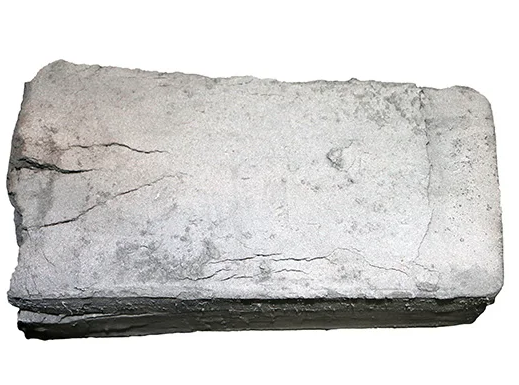
Features of Ferrochrome Nitride
- Consistent Nitrogen Content: Ferrochrome nitride maintains a stable level of nitrogen, ensuring uniformity in its chemical composition.
- High Density: This material boasts a significant density, making it robust and durable.
- Excellent Alloy Absorption: It has a high absorption rate for alloys, enhancing its effectiveness in various applications.
- Melting Point: The melting point is approximately 700 degrees Celsius, making it suitable for high-temperature processes.
- Cost-Effective Alternative: Ferrochrome nitride can partially substitute for nickel, helping to lower production costs.
Standard chemical composition
| Chemical formula | Cr Min | N Min | C Max | Si Max | P Max | S Max |
| FeNCr3-A | 60% | 3.0% | 0.03% | 1.5% | 0.03% | 0.04% |
| FeNCr3-B | 60% | 5.0% | 0.03% | 2.5% | 0.03% | 0.04% |
| FeNCr6-A | 60% | 3.0% | 0.06% | 1.5% | 0.03% | 0.04% |
| FeNCr6-B | 60% | 5.0% | 0.06% | 2.5% | 0.03% | 0.04% |
| FeNCr10-A | 60% | 3.0% | 0.10% | 1.5% | 0.03% | 0.04% |
| FeNCr10-B | 60% | 5.0% | 0.10% | 2.5% | 0.03% | 0.04% |
Approximate chemical composition of ferrochromium nitride, %
Alternative Chemical Compositions:
- Chromium (Cr): Minimum 60-65%, Nickel (N): 8-10%, Carbon (C): 0.1%, Silicon (Si): 1.5-2.5%, Phosphorus (P): Maximum 0.03%, Sulfur (S): Maximum 0.04%.
- Chromium (Cr): Minimum 60-65%, Nickel (N): 8-10%, Carbon (C): 0.06%, Silicon (Si): 1.5-2.5%, Phosphorus (P): Maximum 0.03%, Sulfur (S): Maximum 0.04%.
- Chromium (Cr): Minimum 60-65%, Nickel (N): 8-10%, Carbon (C): 0.03%, Silicon (Si): Maximum 1.0%, Phosphorus (P): Maximum 0.03%, Sulfur (S): Maximum 0.04%.
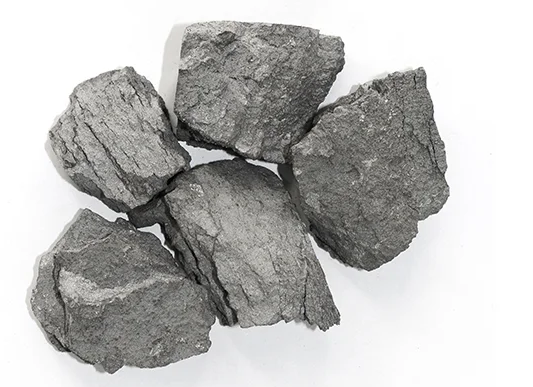
Uses of Ferrochrome Nitride
Ferrochrome nitride is extensively used in electric furnaces and oxygen converters for the production of nitrogen-bearing steel. This alloy material is crucial in the smelting and manufacturing of special steels, such as stainless steel, heat-resistant steel, corrosion-resistant steel, and alloy steel.
Nitrogen is a potent austenite-forming element, often added to chromium-manganese and chromium-manganese-nickel stainless steels to compensate for nickel shortages. Research indicates that nitrogen's ability to expand the austenite region is approximately 30 times greater than that of nickel. Incorporating nitrogen in the production of nickel-containing austenitic stainless steel can partially substitute for the expensive metal nickel, yielding significant economic advantages. Moreover, nitrogen enhances steel's strength and corrosion resistance while maintaining its plasticity.
China and India are the leading producers of nitrogen-containing corrosion-resistant steel. The production of this type of steel is on the rise, constituting 10% of the global steel output, with Asia accounting for about 20% of this production. To cater to the global demand, CG Metal offers a comprehensive range of nitride alloys, including silicon nitride, ferro silicon nitride, ferrochrome nitride, and silicon manganese nitride.
Production Standards
Sampling and Sample Preparation: Sampling and sample preparation are conducted in accordance with ferrochrome methods.
Classifications:
- Class A: Suitable for seed fusion products after nitriding, excluding adsorbed nitrogen content.
- Class B: Suitable for fixed nitriding alloys.
Chemical Composition: The chromium, nitrogen, phosphorus, carbon, and sulfur content must be determined for each furnace batch. By agreement between the supplier and buyer, Class B products with silicon content not exceeding 3.0% can be provided. Any special requirements for chemical composition should be negotiated between the supplier and buyer.
Delivery Standards
Natural Properties: Ferrochrome nitride is delivered in block form, with each piece weighing no more than 5kg. Blocks smaller than 10mm×10mm should constitute no more than 10% of the total weight.
Physical Condition: Ferrochrome nitride should be free from significant non-metallic inclusions both on the surface and internally. The solid nitriding alloy should not exhibit obvious signs of melting.
Packaging: Packaging can be either in bulk or in ton bags, based on the buyer's request.
Special Requirements: Any special requirements from the buyer can be negotiated with the supplier.