
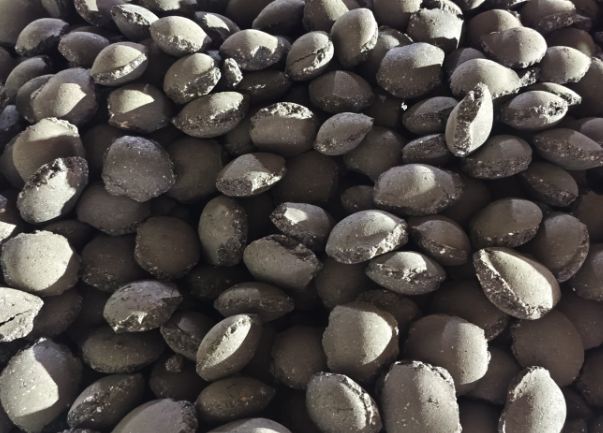
Silicon slag briquettes are an essential by product of the silicon metal refining process, widely used in the steelmaking and foundry industries. These briquettes provide a cost-effective alternative to pure silicon, helping to improve the efficiency and quality of metallurgical processes. This article explores the comprehensive journey of silicon slag briquettes, from their production to shipping.
Production of Silicon Slag Briquettes
1. Collection of Silicon Slag: Silicon slag is collected as a byproduct during the production of silicon metal. This slag contains residual silicon and other elements, making it valuable for various metallurgical applications.
2. Crushing and Grinding: The collected silicon slag is initially crushed into smaller pieces to facilitate further processing. This step ensures that the slag is of uniform size, making it easier to handle and process.
3. Mixing and Binding: The crushed silicon slag is then mixed with a binder, such as clay or other organic binders, to enhance its cohesiveness. This mixture is carefully proportioned to ensure the right balance between the slag and binder, which is crucial for the briquetting process.
4. Briquetting: The mixed material is fed into a briquetting machine, where it is compressed under high pressure to form briquettes. This process not only compacts the slag into manageable shapes but also increases its density, making it more efficient for storage and transportation.
5. Drying: After briquetting, the briquettes are dried to remove any excess moisture. This step is essential to ensure the stability and durability of the briquettes during handling and shipping.
6. Quality Control: Quality control measures are implemented throughout the production process to ensure that the briquettes meet the required specifications. This includes checking the composition, size, density, and mechanical strength of the briquettes.
Shipping of Silicon Slag Briquettes
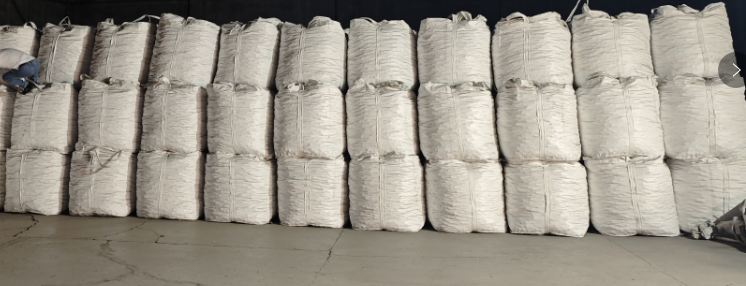
1. Packaging: Once the silicon slag briquettes have passed quality control, they are packaged for shipping. Typically, the briquettes are packed in bulk bags or on pallets, depending on the quantity and the destination. Proper packaging is crucial to protect the briquettes from moisture and contamination during transit.
2. Storage: Before shipping, the packaged briquettes are stored in a dry, sheltered area to prevent any damage or degradation. Proper storage conditions help maintain the quality of the briquettes until they are ready to be shipped.
3. Transportation: The packaged briquettes are then loaded onto trucks, ships, or trains, depending on the destination and shipping requirements. During transportation, care is taken to ensure that the briquettes are securely fastened to prevent any movement or damage.
4. Documentation: Accurate documentation is essential for the shipping process. This includes shipping manifests, bills of lading, and any other necessary paperwork to ensure compliance with regulatory requirements and to facilitate smooth customs clearance.
5. Delivery: Upon reaching the destination, the briquettes are unloaded and inspected to ensure they have arrived in good condition. Any discrepancies or damages are promptly addressed to maintain customer satisfaction.
Benefits of Silicon Slag Briquettes
1. Cost-Effective: Silicon slag briquettes are more affordable than pure silicon, offering a cost-effective solution for steelmakers and foundries looking to optimize their processes.
2. Resource Utilization: The production of silicon slag briquettes promotes the efficient use of resources by recycling a valuable byproduct of silicon metal production.
3. Improved Efficiency: The use of silicon slag briquettes in metallurgical processes can enhance efficiency and improve the quality of the final product, thanks to their consistent composition and properties.
4. Environmental Benefits: Recycling silicon slag into briquettes helps reduce waste and minimizes the environmental impact of silicon metal production.
The silicon slag briquettes from production to shipping is a well-coordinated process that ensures the delivery of high-quality, cost-effective materials to the steelmaking and foundry industries. By understanding the steps involved in this process, businesses can appreciate the value and benefits of using silicon slag briquettes in their operations. Whether you're a manufacturer, supplier, or end-user, recognizing the importance of each stage in the production and shipping of silicon slag briquettes can help you make informed decisions and optimize your metallurgical processes.